Thoreau and Character

The angle intersections inscribed by our daily experiences, the coves and inlets of our lives, will ground the decisions we make, our actions in the world. And the sum total of all our moral actions combined will constitute the ethical character of the society we build together.

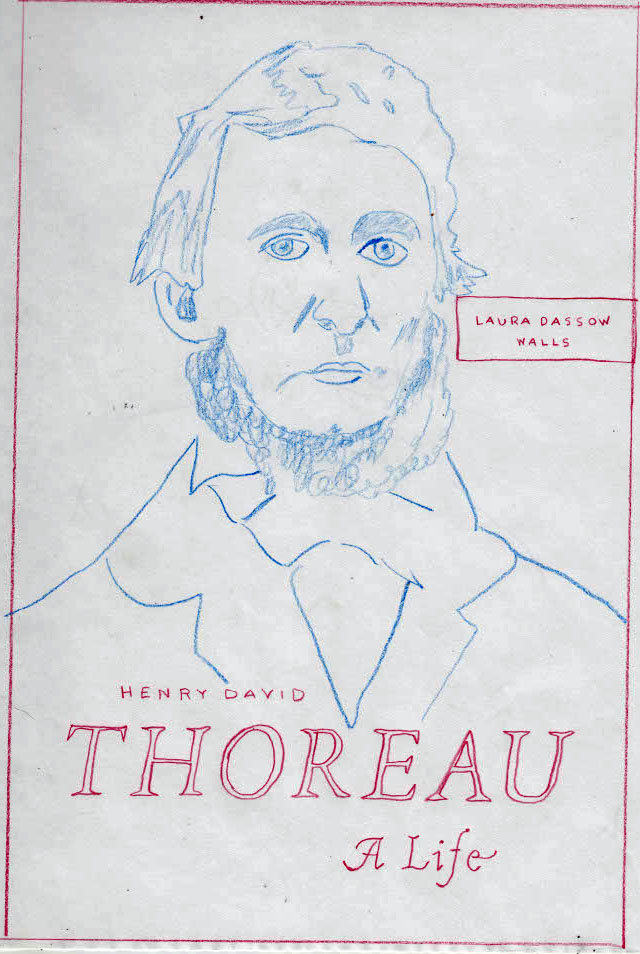
Hopping back and forth between Thoreau’s (excellent) biography and his journals is an education not just in the life of a decidedly quirky man, but also the rapid and disturbing settlement of the country. When he first discovered the pond it was wild and largely isolated; by the time he built his cabin, the train was passing by and there were settlements left behind by the Irish workers who built worked on the railroads. Surprisingly though, despite his deep connection with nature (rumor had it he befriended crows and squirrels and could summon a woodchuck by whistling), he was not opposed to development if it furthered the human condition.
Reading Into the New Year

In the gallery of broken new year’s resolutions, my reading promises to myself stand out. More than exercise, more then diet, more than deep breaths before saying something incredibly stupid, I promise to read things. A short story a day, a poetry collection a week, all of Dickens (kidding, I’m not that deluded). Sometimes I don’t even make it through a week.

In my family, we have an expression: “Look! A squirrel!” when someone is distracted or not paying attention. It’s for when we can’t seem to keep ourselves from looking away from what’s important towards the bright shiny object (the squirrel). I do that constantly with the books I choose.

I want to read more classics, I want to read more poetry. More literature in translation, or NYRB imprints. More novels I hadn’t heard of before I came across them in my favorite used bookstore. Instead, I end up reading whatever everyone is talking about, the bright shiny literary objects.

This is how I went from complete absorption in the first volume of Anthony Powell’s A Dance to the Music of Time to Luster, by Raven Leilani. I’d put it on hold months ago at the library and when it showed up, I dug in.

I’m not saying it’s bad. The prose is funny and sharp and it’s clever. But it’s not for me. Multiple times, I stopped to ask myself why I was reading it, did I really want to spend time with these people right now? Then I would look at the ecstatic reviews and go back to it grudgingly, the way I’d go back to a huge bowl of tiramisu which I didn’t really like that much, but everyone else can’t be wrong, can they?

So my goal (even as I finish this book because I am so close to the end) is to allow myself to fall outside the hot new properties of the publishing world and read what I want to read. Maybe it will be a hot new property, or maybe it will be a return to Widmerpool and Anthony Powell’s world.

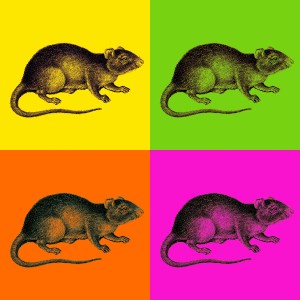
The Year of the Rat

I am a great lover of rats in literature. Templeton in Charlotte’s Web was one of my first introductions to the idea of a complex character. And how could you not love the rat in Ratatouille (though my kids were grossed out by him).

There was Ratty in The Wind in the Willows, Cluny the Scourge in Redwall…the list goes on. Rats are apparently smart and clean. They’re social and apparently mate like maniacs (a litter of up to 10 pups every three weeks). When viewed from certain angles, from a distance, they are almost endearing.

In literature, they tend to be smart, and ultimately good-hearted. In most cases they are misunderstood. I would be willing to embrace them in all their rat-ness, especially this year, the Year of the Rat (ironically with all the plague associations rats inspire) if we were not inundated by them. At least I think.

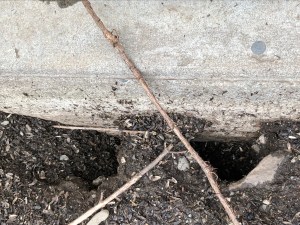
There is definitely a den next to our house (I see his/her face popping through the hole occasionally) and I suspect the half dozen similar holes around our barns are also not-so-subtle entryways. Why now? Granted, they tend to be under bird feeders, but the bird feeders have been there for ten years.

Our infestations tend to come in waves. A few years ago, there were skunks everywhere. An entire skunk family came out one evening to watch us play badminton. One skunk ambled towards us, with seemingly no malice (or rabies), and watched us flee into the house. The groundhogs are always bad, but at their peak last year. Same with the red squirrels, who mostly seem to have decamped. It makes me wonder where they go. Is our place like a vacation rental, someplace to spend a season before moving on? In any case, I hope the rats go soon.

Empty Nests

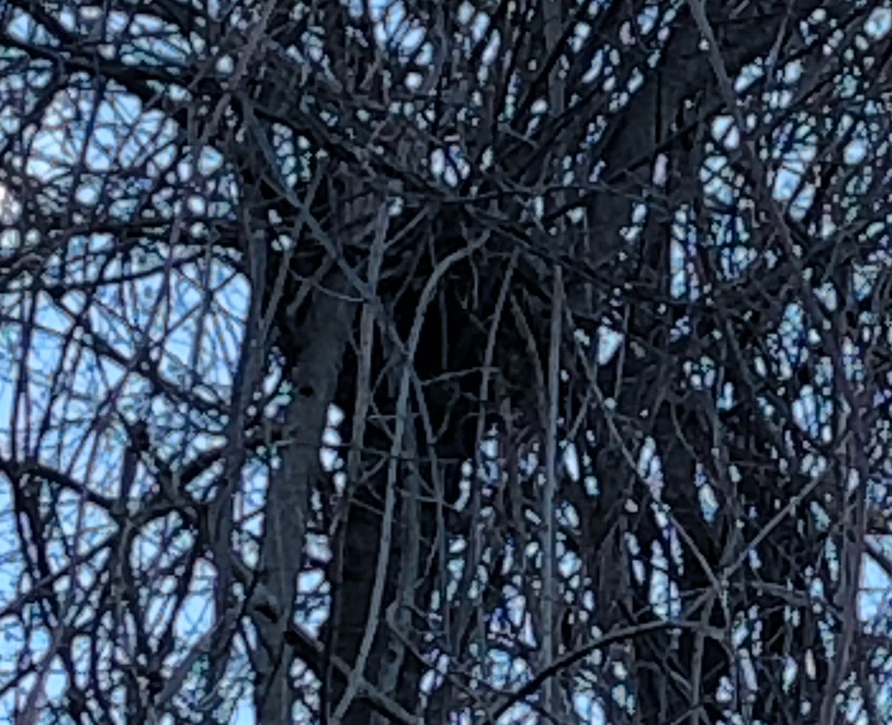
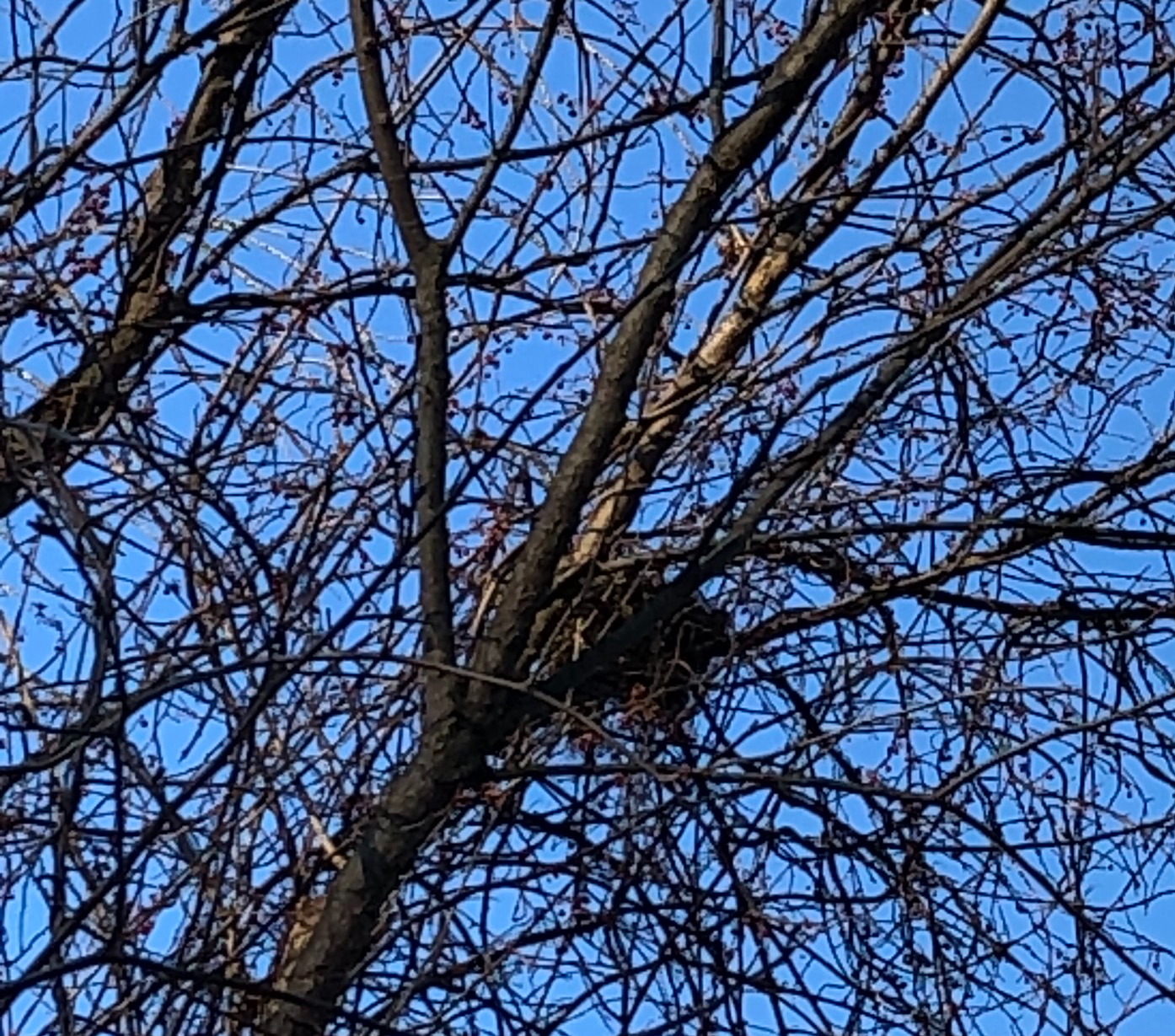
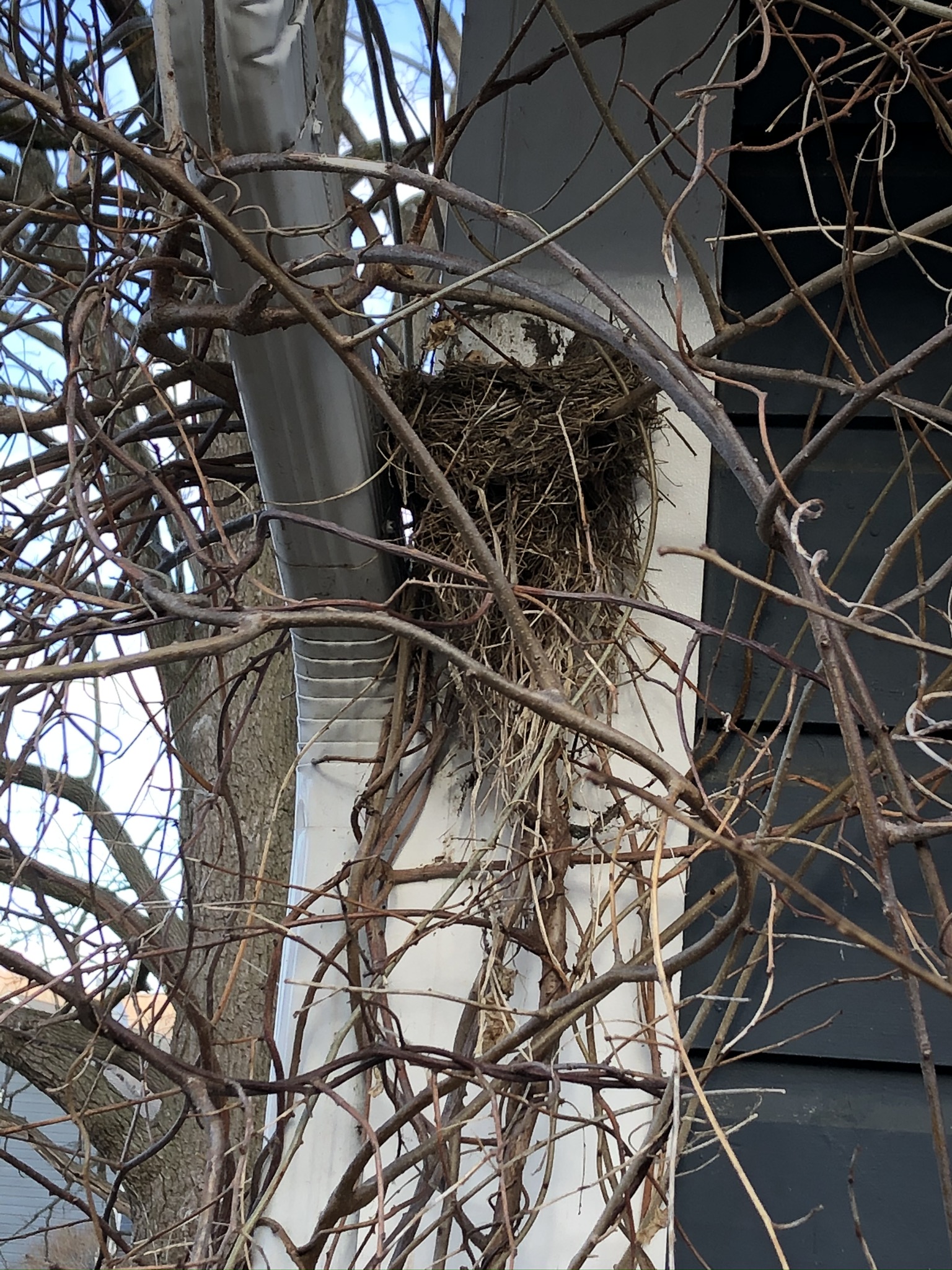
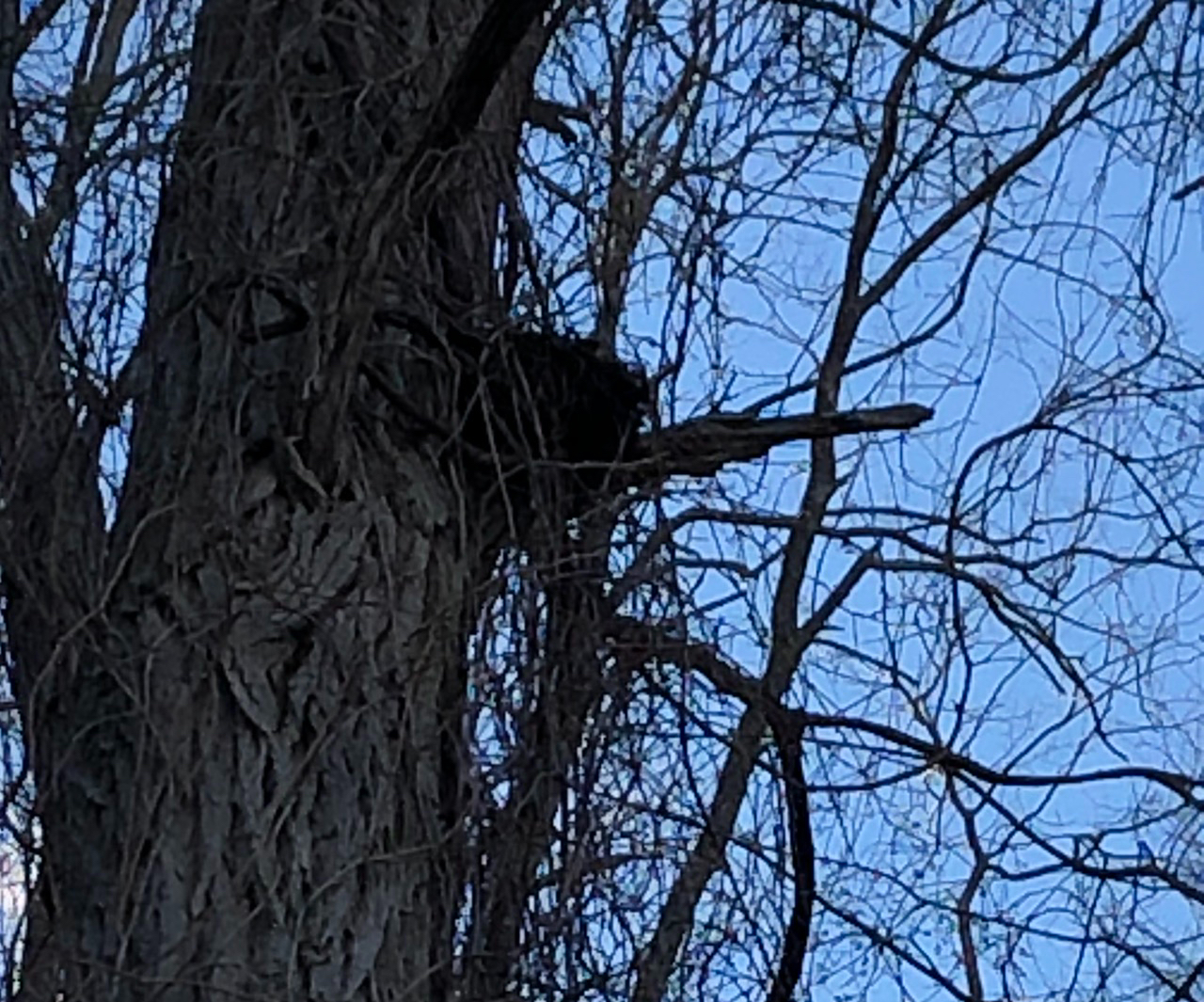
With the temperatures rising and with outside as the safest place to be, I’ve decided to expand the morning walks and take up a challenge posed in The Art of Noticing, by Rob Walker. Every morning a new way to pay attention. This morning — nests.

There are a ton of them (many too far away for my phone’s camera to do justice to). It reminded me to put out colored string in small pieces around the house, something I’ve done for a few years and occasionally am rewarded by spotting some put to use later in the summer or fall.

I cannot pass up a fallen nest, and collect them in an outbuilding. They rarely last long, as the mice put them to good use in their own nests.

Information Glut

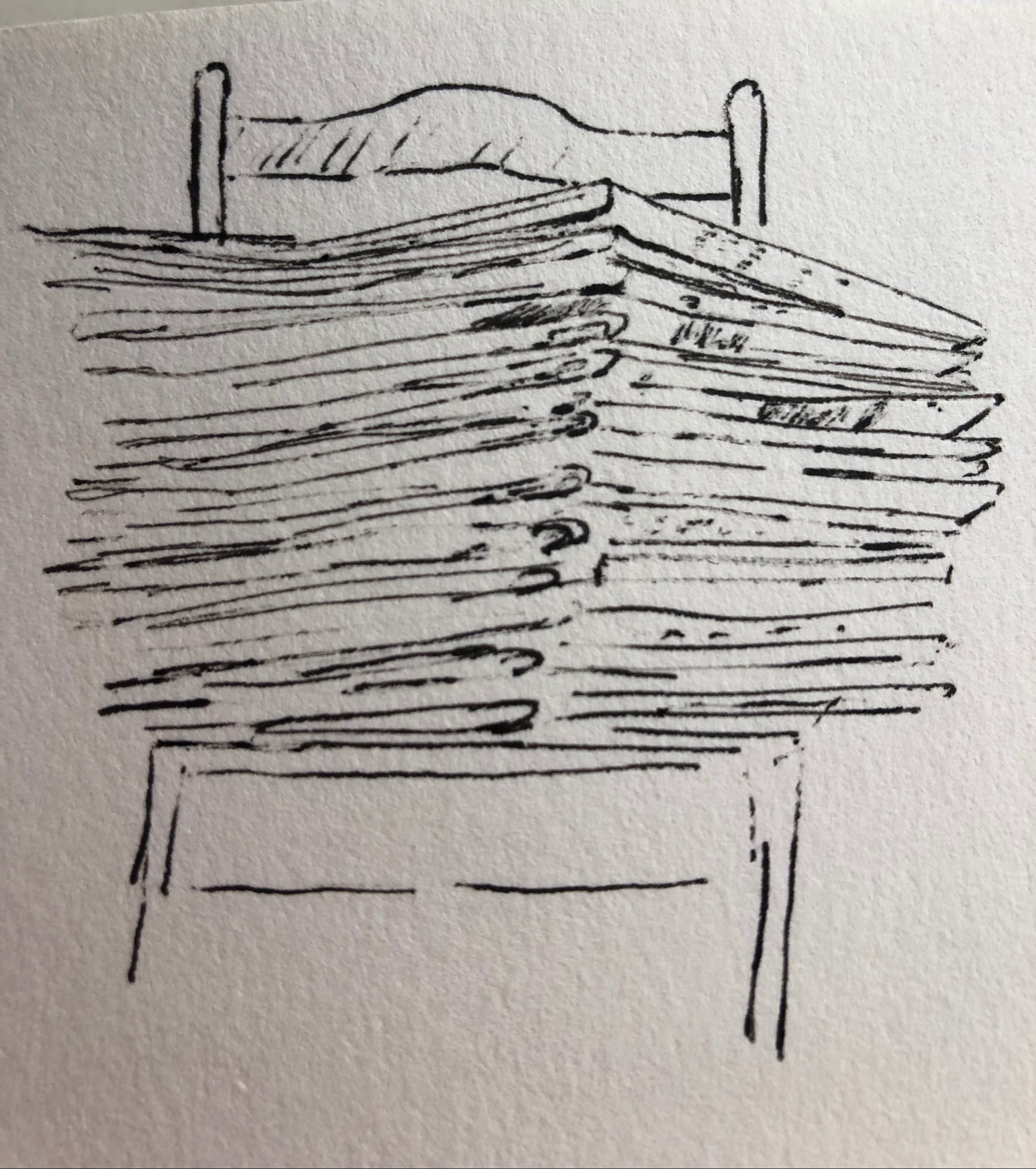
image_571255852034517I grew up in a beautiful house furnished by books and stacks and stacks and stacks…of periodicals. Newspapers, magazines, brochures and catalogues were stacked on chairs and tables. This was the decor of my mom, an information hoarder who could not stand to let a single article in The Minneapolis Star Tribune, The New York Times, Time, Newsweek, The New Yorker, The Economist…go unread.
I loved this in her, even as the clutter drove me crazy and I vowed my house would be free of any pile thicker then at the width of my hand.

Then came the internet. And Evernote. I am a compulsive clipper. I have digital notebooks which, if converted, could paper the chairs of a giant suburban neighborhood.

Why? What am I going to do with this information? Read it? I am convinced there’s a hole in my brain through which 90% of what I read passes within ten minutes. Still, I persist. I suppose some inherited traits are unexpected.

Day after day after day after…

When you take a step back and think about time as a concept, it’s pretty bizarre. Maybe not so much time as the way we categorize it and feel as if we’ve got a hold of it by chopping it up into manageable pieces (days, months, years).

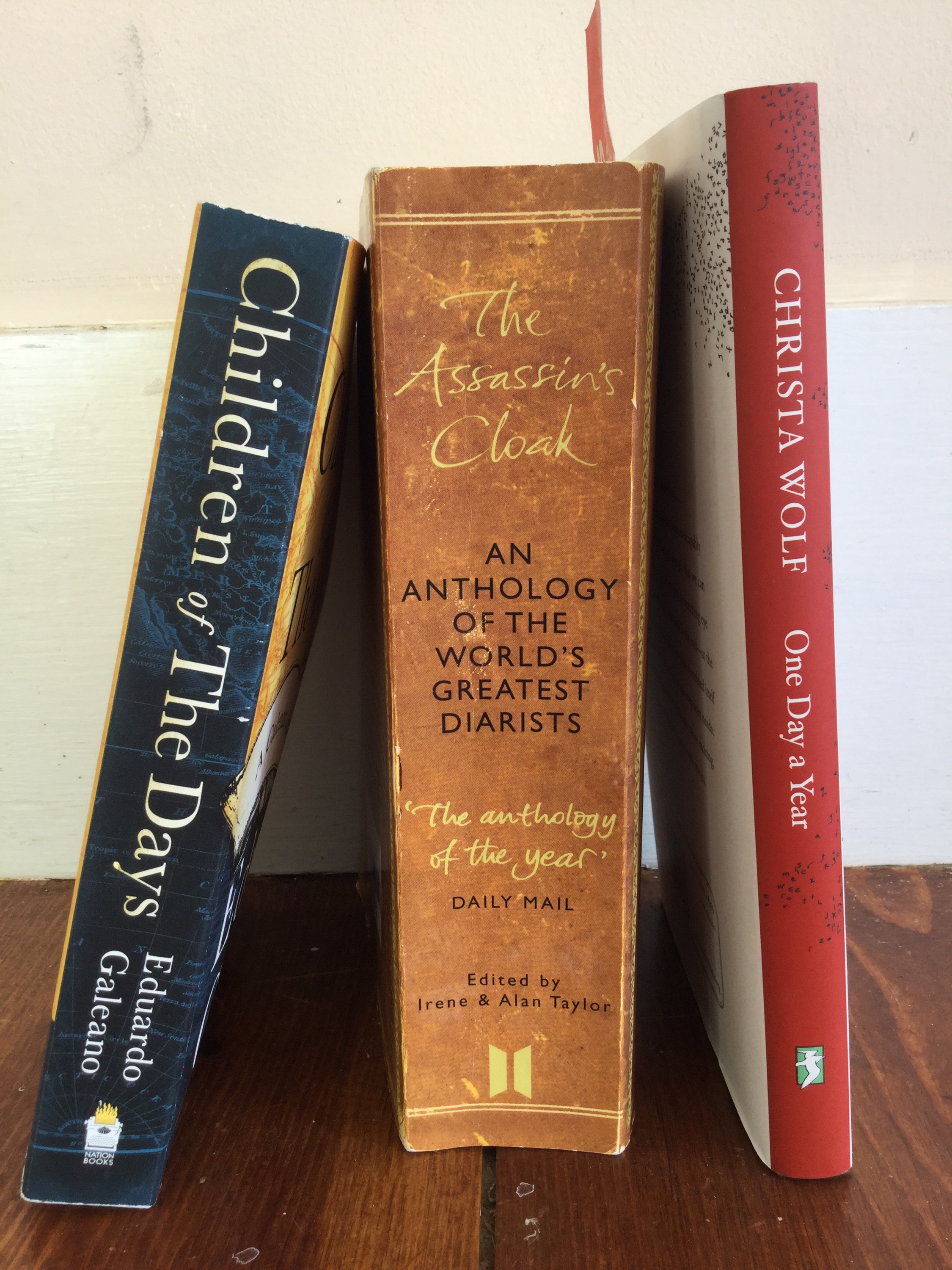
I’ve been thinking a lot since I came across The Assassin’s Cloak, a fantastic anthology of great diary entries categorized by day of the year. On January 5th, for example, Lord Byron wrote about his hangover in 1821, Virginia Woolf recorded a trip to Kingston in 1918, in 1940, Josef Goebbels gloated about the uproar over the Germans’ English radio broadcasts in London and, in 1978, Andy Warhol wondered about Bianca Jagger’s pimples and whether they were caused by depression over Mick.

Less dishy and more surface-skimming is The Children of Days by Eduardo Galeano. Every day highlights an event or person or historical term. May 8th describes the origins of the Tasmanian Devil (which will not endear you to the British Empire) and September 22nd imagines what a car-free day would be like.

Another very different but equally interesting take on time is in Christa Wolf’s One Day a Year. Asked in an interview what she’d done on a specific day, Wolf decided to record what she did on that day (September 27th) every year. For more than fifty years she wrote an entry on that day, and her insights about live in Berlin and international events are fascinating and timeless.

Internet: Prosecco or Giant Pack of Starbursts?

I am far from alone in the conflicted feelings about the internet. Is it good? An open field of knowledge and connectivity? Or is it bad? Name-calling and people failing videos?

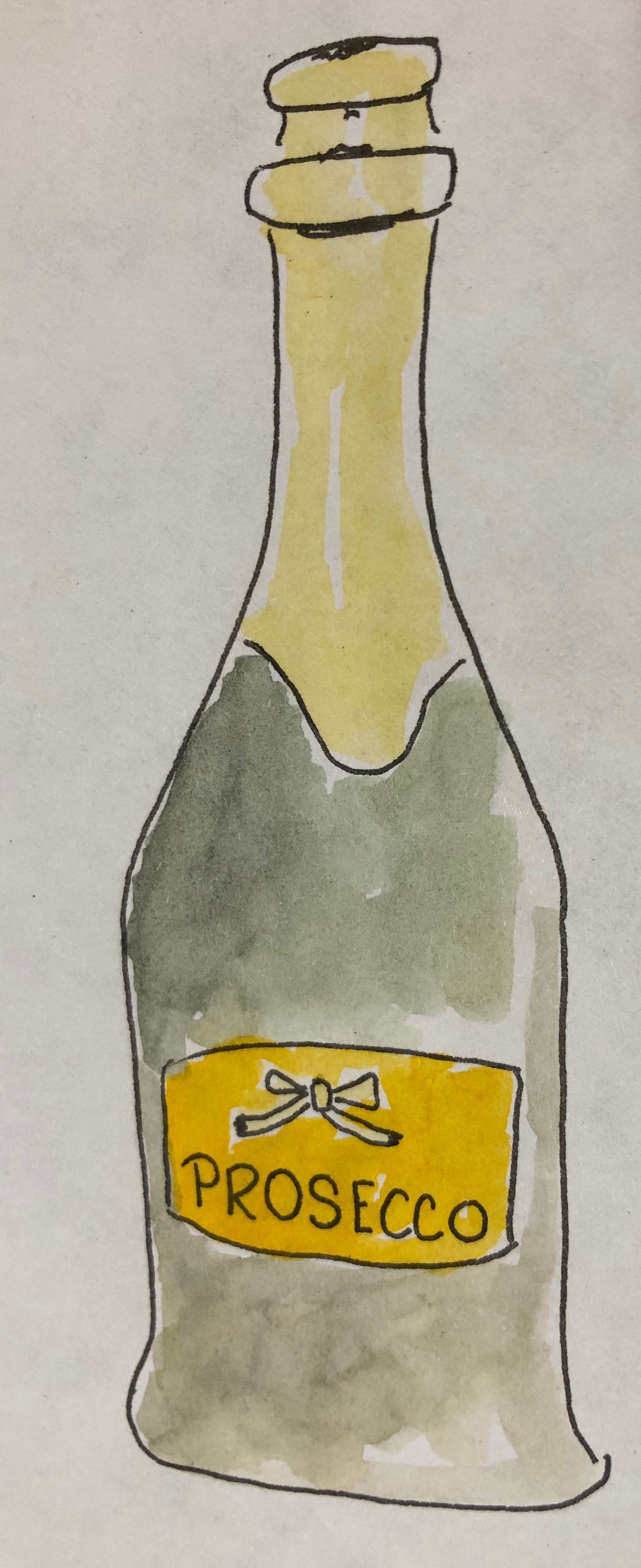
Of course it’s not one or the other, but both. Like an artisanal candy bar or a bottle of Prosecco — good but maybe not so great for you in bulk.

The problem is that it begs to be consumed in bulk. For my part, I may not be cycling through YouTube videos, but I do consume book news as if it was extraordinarily cute cat videos. New releases, writer interviews (especially process interviews, because I’m convinced that if I find the perfect process my novel will finish itself), essays about reading or writing or comparing characters in books…it’s endless.

Sadly, it takes time and these days time in my life is a more rarefied commodity than, say, red squirrels in our eaves or rats in the chicken coop.