

Yesterday I sat for a good half hour on the ground underneath a bluebird which was conversing deeply with another bluebird some distance away. I had no idea what it was saying (hopefully “Let’s move into one of the birdhouses the humans put up last weekend”). It was one of the best parts of my day.
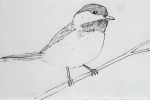
Since Covid, bird watching has become a “thing.” At my local bookstore, recent releases about bird behavior (David Allen Sibley’s What It’s Like to Be a Bird; The Bird Way, by Jennifer Ackerman) were backordered for weeks. Apparently podcasters stalked Jenny Odell, author of the altogether fantastic How to Be Alone, which is filled with her bird obsessions because my feed was filled with interviews with her.
I say this not out of complaint but a certain camaraderie. My bird obsession started a few years ago, but before I moved to the country I tended to put birds into categories such as “brown bird” or “duck.” In New York City, a nesting pair of red-tailed hawks held the city in thrall; now I regularly wave red-tailed hawks way from our chickens.
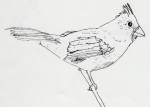
We’ve set up bird feeders around our house, with the result that our place is teeming with different species. This time of year the chickadees, nuthatches, titmouse and cardinals are joined by red-winged blackbirds, Carolina wrens, finches and sparrows galore. Sometimes I will sit and watch them interact, anthropomorphizing them to a degree which would make scientists roll their eyes. The bully bluejays, delicate titmouse, low-profile juncos. I could write the avian version of a high school drama series.
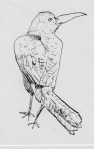
The thing is, they are amazing. Crows recognize individual humans and if you piss them off (bother one or cause them some harm), they might attack you; on the other hand, leave them presents and they might reward you with a gift. Birds’ migration paths follow the Earth’s magnetic field, something humans cannot even detect.
We could all do worse than develop an obsession. As I write this, two finches are at my feeder taking turns feeding each other while a red-bellied woodpecker is at the other feed methodically spilling sunflower seeds on the ground and two female cardinals are bickering. It is, at the very least, an excellent procrastination device.
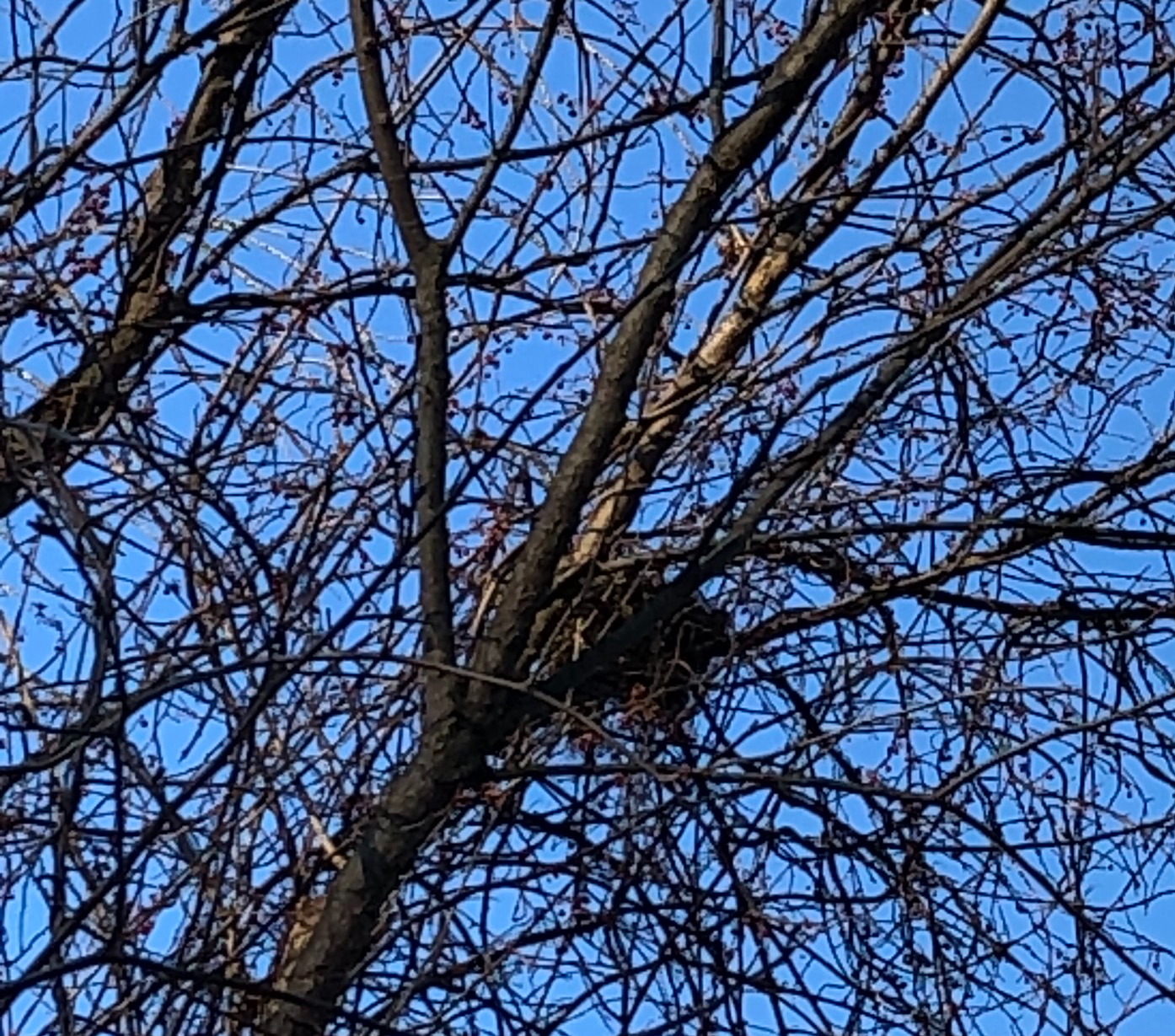

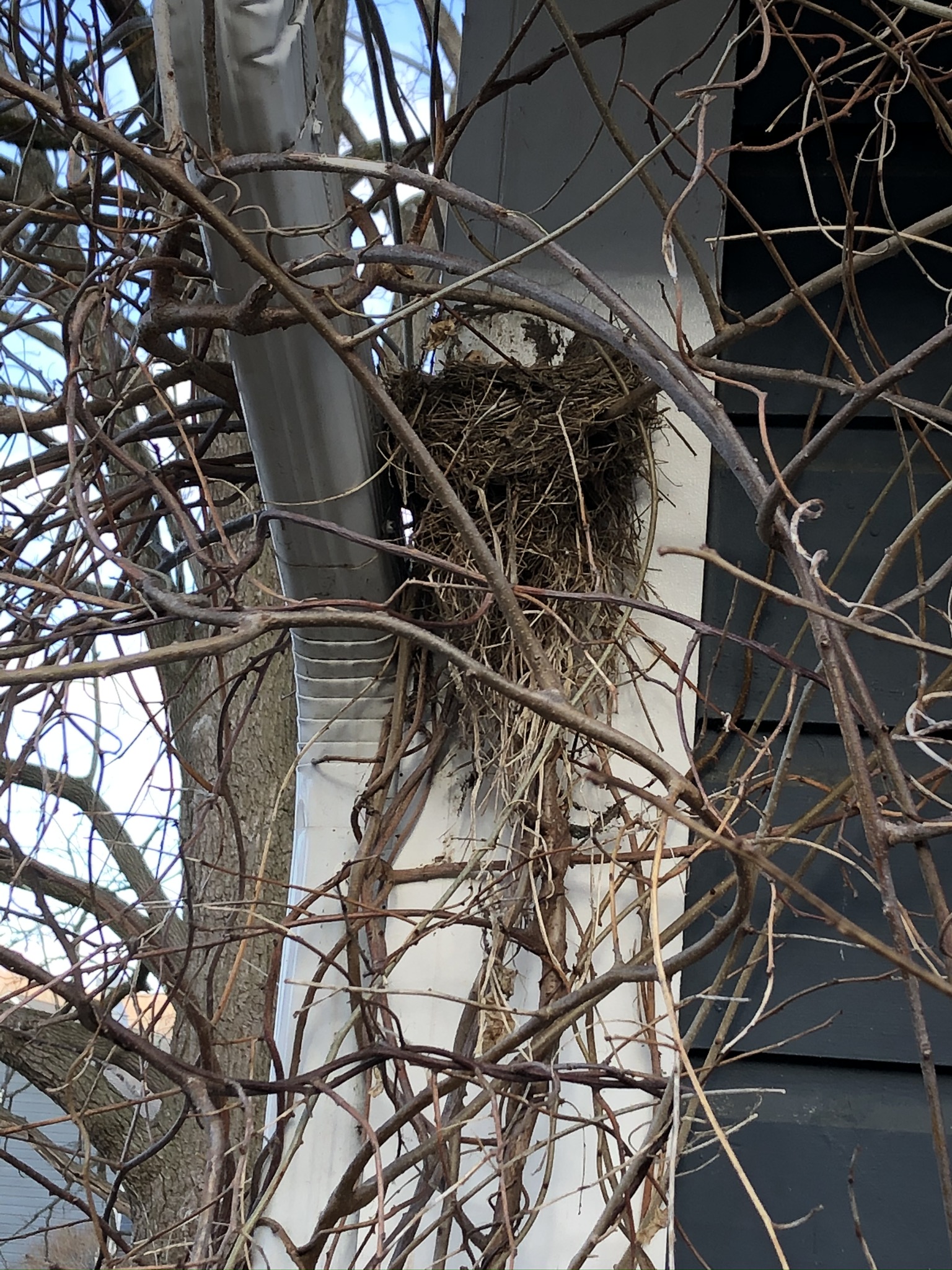
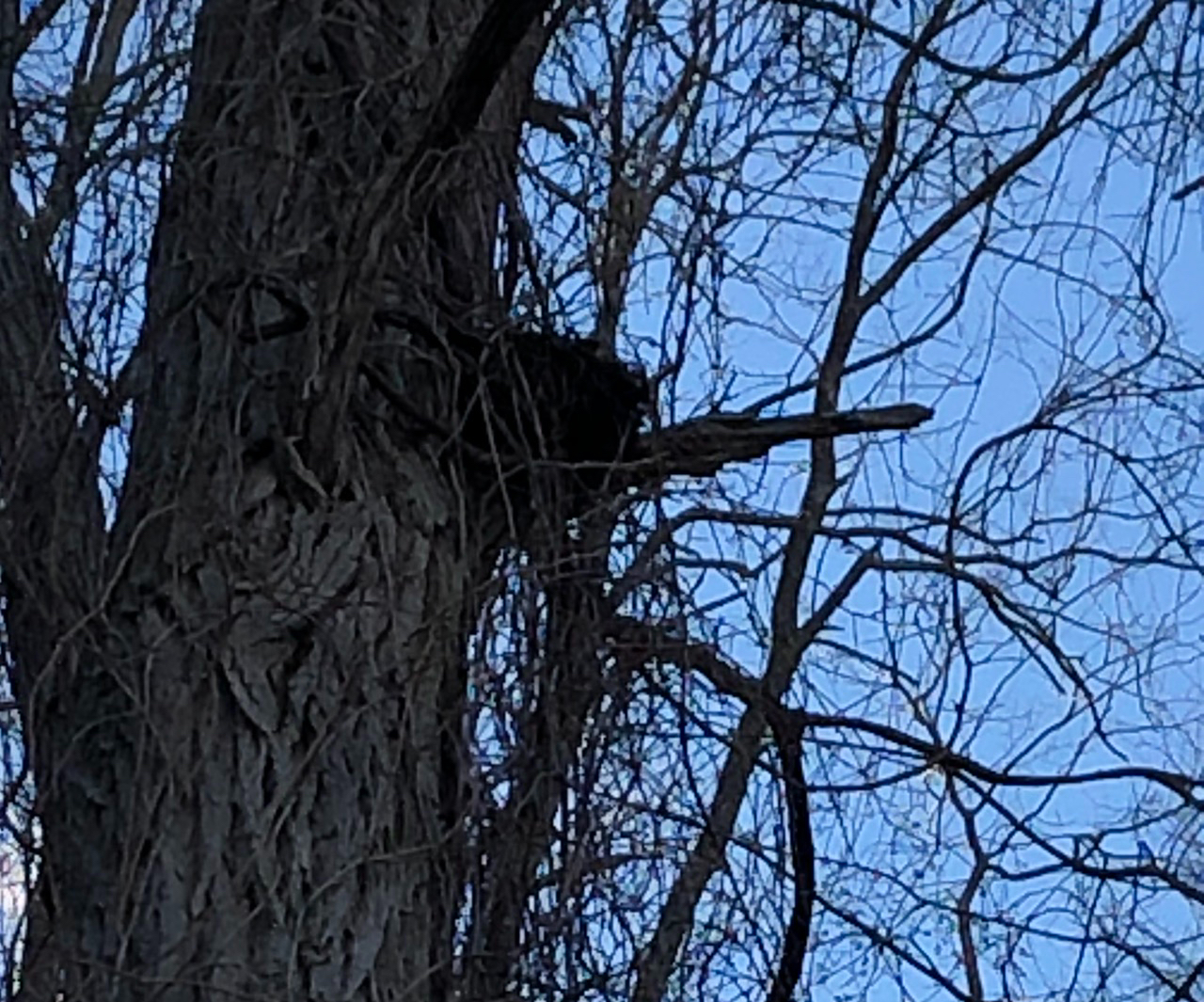
 Kate Staples